
Ritual ideas you can repeat
Pick two or three anchors and keep their order stable on most weekdays. Predictability trains attention to recognise “closing time” faster than novelty does. You are assembling a short playlist of actions—not rehearsing for a flawless performance.
Borrow ideas from each block below, then trim anything that collides with flatmates, caregivers, or shift patterns. Galway weather, small kitchens, and shared hallways all fit the same skeleton when you shrink or stretch individual steps.
Gentle movement first
Start with circulation and upright posture before you drop into cushions. A walk to the corner shop, a slow stair climb, or ten patient knee bends still count. The point is to prove gravity and weather still exist outside the rectangle of your monitor.
Keep the pulse conversational: you should still be able to speak in full sentences. If the Atlantic breeze is heavy, shorten the outdoor slice but keep something vertical. End by noticing temperature on your cheeks or fabric on your shoulders so the senses update alongside the calendar.
- Note wind direction or bird sounds—tiny outdoor details pull attention outward.
- Cap the block at a time you can repeat tomorrow; consistency beats duration.
- Carry a light tote to the shop even when supplies are optional—purposeful steps beat pacing in circles.
- Wheel a bicycle to the rack and back if you keep one; tyre pressure on pavement feels different from carpet.
- Change into house shoes only after the movement beat so footwear also marks the boundary.
- Open an umbrella once in drizzle so weather becomes part of the story instead of an excuse to skip.
Laptop and paper unload
Pair digital shutdown with analogue headlines. Save files, close power-hungry tabs, then write only the titles that would nag you overnight. You are archiving reminders, not drafting the whole project plan before dinner.
Let the machine cool in a sleeve or on a shelf that is not the coffee table. When paper and silicon both rest, borrowed focus returns to the people and rooms around you without promising a magical inbox zero.
- Use one column for “tomorrow morning” and another for “later this week.”
- Clip the sheet inside a notebook so loose pages do not return as clutter.
- Quit preview apps that keep PDFs glowing; thumbnails in the dock often masquerade as “almost done.”
- Mark one mailbox folder for “first sip tomorrow” instead of starring twelve threads tonight.
- Rename the latest export with today’s date so future you trusts the archive without reopening everything.
- Slide hardware mute on speakers so notification chirps cannot restart work theatre from another room.
Tiny sensory treat
Choose something warm, aromatic, or tactile that still fits a rental kitchen or a shared microwave schedule. The cue announces “after hours” without inventing a banquet you will dread on tired nights. Repetition matters more than impressing guests.
If caffeine already dominated the afternoon, steer toward botanical tea or plain milk. Let the ritual stay small enough that a fifteen-minute delay does not cancel it entirely—flexibility preserves the habit.
- Decaf botanical blends or hot water with citrus peel occupy hands while the kettle cools slightly.
- Swap stiff layers for softer clothing kept only for off-duty hours.
- Switch on radio drama or low chatter channels that never appear during focus playlists.
- Plate one biscuit or square of chocolate on a saucer—portion decided beforehand avoids grazing.
- Warm a reusable heat pack briefly for lap or neck; keep microwave seconds written on the cloth tag.
- Run a desk fan on low toward a plant so moving air joins sound and touch in the cue.
Creative or social pivot
Switch the kind of thinking you use before you default to another screen. Hands-on hobbies, slow cooking, or low-stakes crafts use pathways that differ from spreadsheet focus. Layer brief human contact afterward so the night is not purely task-like or purely isolated.
Timers protect the boundary: when the buzzer sounds, thank the moment and step away. Consistent beginnings matter more than masterpiece endings, and neighbours or friends appreciate predictable windows too.
- Doodle while water boils; imperfect output is welcome.
- Plan a fifteen-minute catch-up so conversations stay light.
- Knead bread dough or peel vegetables slowly—rhythm replaces rush without a scoring system.
- Shoot three documentary photos inside your flat’s “found still life”; delete extras so storage stays honest.
- Handwrite a postcard paragraph even if you post it next week—the ink still shifts attention.
- Play one casual board turn with whoever shares your table, timing optional moves with kettle whistles.

Chopping board as punctuation
Slow slicing or stirring gives hands a different job than typing. You do not need a complicated recipe—onions, bread dough, or a salad assembly line all mark time in a way spreadsheets rarely do.
Keep audio separate from work calls: radio fiction, instrumental playlists, or silence. When the timer ends, park knives in the block so the scene reads “finished” as clearly as a closed laptop.
Evening pacing notes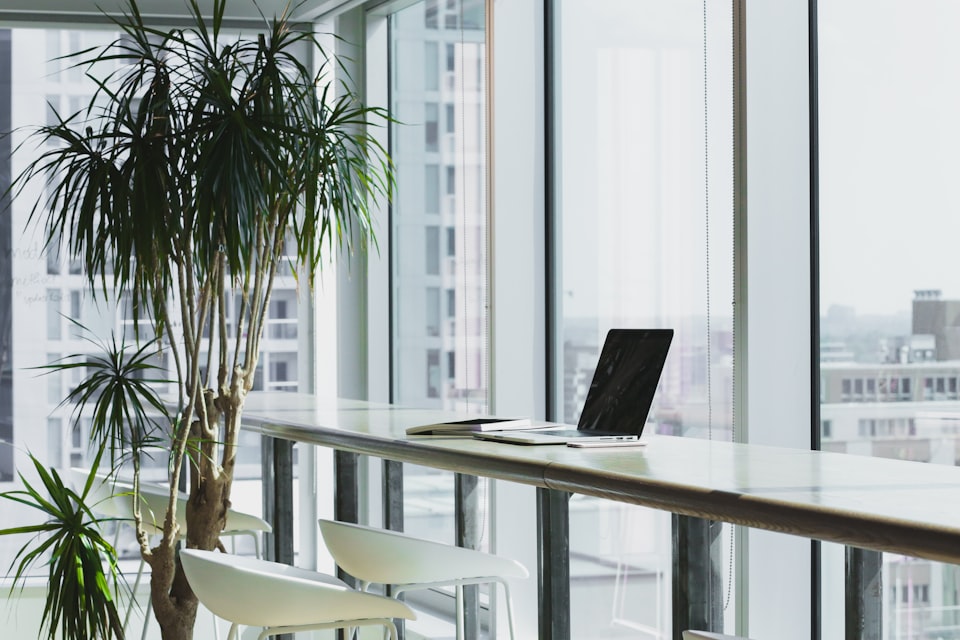
Desk at dusk
Photograph the tidy version of your workspace if that helps you reset tomorrow—but the real ritual is physical. Lower blinds, drape a cloth, or rotate the chair so the webcam angle no longer dominates the room.
Pair the visual shift with one paper line about the first action tomorrow so the machine is not the only archive. Flatmates see the cue too, which reduces accidental “are you still working?” knocks.
Home overview