Mark progress
Use a ribbon or photograph as placeholder—visual proof you paused in a good spot.

“Restful” here means predictable, dimmer, and slightly slower—not a staged spa trailer. Aim for cues you can reset in five minutes when life barges in. Consistency trains everyone in the household to read the same dimming story.
Pair these ideas with movement and spatial pages so body, light, and furniture agree. This section remains general editorial information only—not a substitute for advice from a qualified professional when you need one.
Start with ceiling or task lighting while cooking, then shift to lamps or low candles without scent overload. Simple hardware changes—warmer bulbs, dimmers, or clip lights—beat complicated scenes you will abandon by Thursday.
Let eyes adapt in stages: brightest sources first, screens second, cosy pools last. Housemates appreciate labels on switches when “evening mode” differs from their morning needs.
Chunk the evening into nourishment, connection, play, and light prep. Miss a chunk? Pick up at the next activity without declaring the night ruined. Elastic timing respects shift work, parenting, or flatmates who hog the hob.
Write the sequence on a fridge card if memory is tired by seven o’clock. Tiny checkboxes beat vague intentions; crossing them off is allowed even when the tasks look humble.
A folded blanket, side table, and basket define the nook more reliably than expensive shelving. Store work chargers elsewhere so the corner stays leisure-only and flatmates know the boundary. Natural light plus a warm lamp gives you two modes without rewiring.
Rotate craft trays weekly so curiosity returns; stagnant piles read as clutter faster than modest, shifting kits. The nook should invite a five-minute visit rather than threaten an all-night project.
Use a ribbon or photograph as placeholder—visual proof you paused in a good spot.
Corral yarn or paints in shallow trays so starting takes seconds.
Leave one slow charger across the room so phones rest farther from the nook.
Use a small cork board under books to catch pen marks without scarring rental furniture.
Keep inexpensive headphones on a hook so audio never spills into neighbouring rooms late.
Set a gentle alarm that means “fold the project away,” not “finish everything.”
Choose one weekday for a slightly longer ritual—shared film, batch baking, or balcony plant care—so the calendar contains more than chores. Shorter nights still borrow the same opening cues so the week feels textured rather than endless loops.
Anchors work best when budgets stay modest; novelty comes from attendance, not constantly upgraded props. If travel interrupts, note the skipped date lightly and resume without guilt speeches.
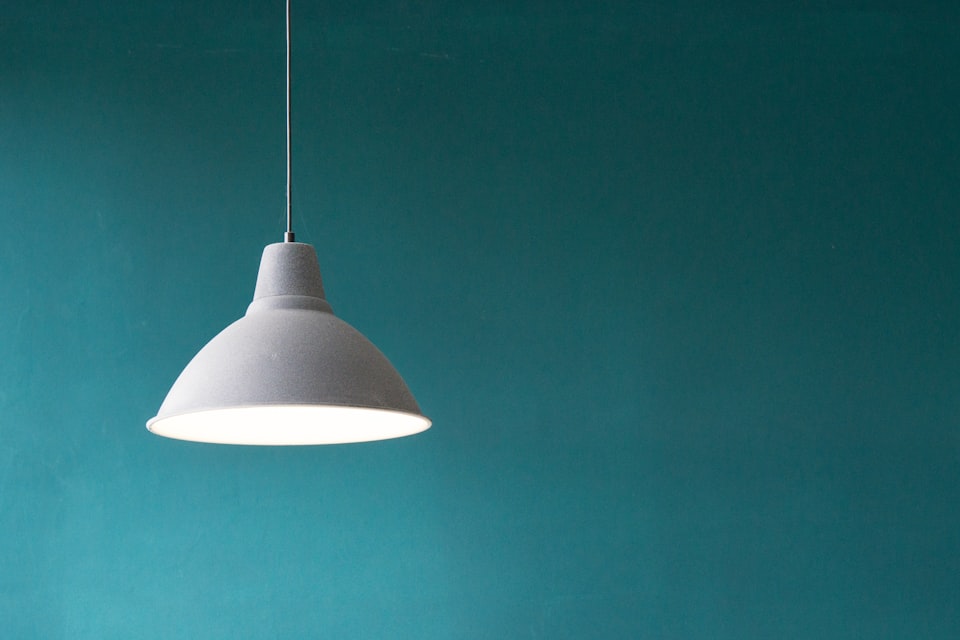
Choose a portable or desk lamp that only switches on after work hours. Its warm pool becomes shorthand for “we are allowed to move slower now,” especially when ceiling panels stay bright for cooking.
Teach everyone in the flat which switch belongs to evening mode. Labels on tape beat repeated explanations, and they survive until you repaint.
Space & lighting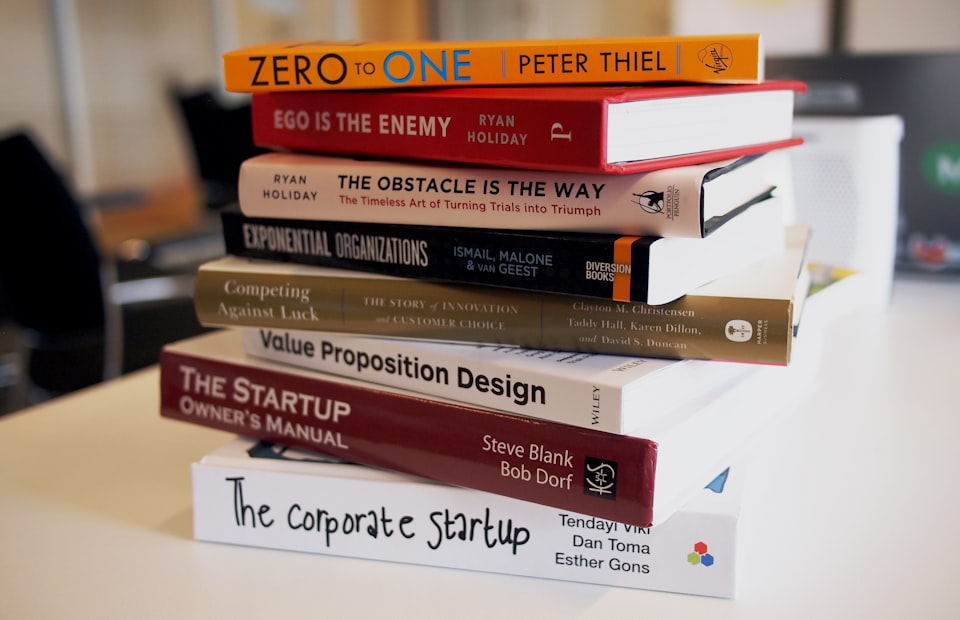
Slide a physical book, zine, or printed recipe in front of you before reopening social timelines. The object occupies hands and eyes with content nobody can @mention you inside.
Stop at a bookmark or timer rather than a chapter cliffhanger when you want an earlier night. The goal is a gentle boundary, not another marathon.
More ritual prompts