Ritual ideas
Structured prompts for movement, home rhythm, and time with others.

Small, repeatable steps can help you mark the end of paid work and settle into home time—editorial ideas only, not medical or professional advice.
When paid work stops, it is common to keep replaying tasks in your head. A short, voluntary routine can give your attention a simple cue that the “on duty” part of the day is parked. The aim is a steady rhythm you choose—not a rule or a promise of any particular outcome.
Each page goes deeper with practical detail. Follow one path or mix elements that fit your living situation in Ireland.
Structured prompts for movement, home rhythm, and time with others.
Outdoor steps and indoor zones that signal “work is done.”
Light, sound, and pacing ideas for a calmer-feeling evening at home.
Your spine and shoulders often stay in a typing posture even when the calendar says you are done. A physical switch is a plain signal that the “at the desk” chapter can release: you change pace, height, and temperature on purpose. You are not preparing for sport—you are swapping one bodily story for another so the evening can feel like home.
Keep effort conversational: if you could still hold a chat, you are in a useful range. In damp Galway weather, shorten the outdoor slice but keep something upright before you sink into a chair. Finish by naming one sensory detail you missed while the screen held your eyes—wind, fabric, kettle steam—so attention catches up with where you actually stand.
The portable office follows you to the sofa unless you retire it with intention. A laptop unload means closing files, tabs, and alerts on purpose, then giving the hardware a physical home that is not the coffee table. Pair digital shutdown with one paper line—“open with X tomorrow”—so tomorrow’s opener lives outside the machine.
Keep the sequence under a few minutes so busy weeks still allow it. You are not “fixing” the whole backlog tonight; you are parking equipment and attention together. When the lid lowers or the sleeve zips, let that sound mean the borrowed focus returns to the room you share with flatmates, family, or quiet air.
Screens train the eyes toward one wall; moving to another zone widens the horizon your body reads as “off duty.” Carry the kettle to a chair that never hosts video calls, stack post on the kitchen ledge, or step onto a balcony before you sit. Even compact flats can hold a work corner versus an evening corner if textiles and lamps trade roles honestly.
Light temperature matters: cooler for concentration, warmer for recovery. Tuck cables into a box that only appears during business hours so the scene stays legible. Repeat the same swap most nights; the brain recognises honest cues faster than one-off makeovers that collapse by Tuesday.
Think of this step as punctuation, not a prize ceremony. Choose something modest enough to repeat tomorrow: three favourite tracks, a rinse under warm water, cinnamon on toast, or tea poured into a mug that only appears after hours. Predictability carries the comfort; you recognise the cue and the day receives a gentle closing bracket without turning leisure into another assignment.
Keep ingredients simple so a tired evening still permits the habit. If caffeine already filled the afternoon, reach for herbal blends or milk. Let the moment last long enough to notice taste, sound, or warmth, then let it stop—no need to stretch it into a performance or a late shopping trip.
Work tools reward linear logic; hands and voices invite rounder pacing. Spend a short slice on a sketch, a chop-and-stir supper step, or a novel chapter that owes nothing to your employer. Afterwards, add gentle contact—a voice note, a neighbour in the stairwell, or a call with a clear end—so the night is not only productive or only solitary.
Keep supplies visible so starting needs less negotiation. When a timer marks the end, thank the moment and move on; regularity outweighs finishing a masterpiece or hosting an hour-long monologue. The mix simply reminds you that life outside payroll still hums.
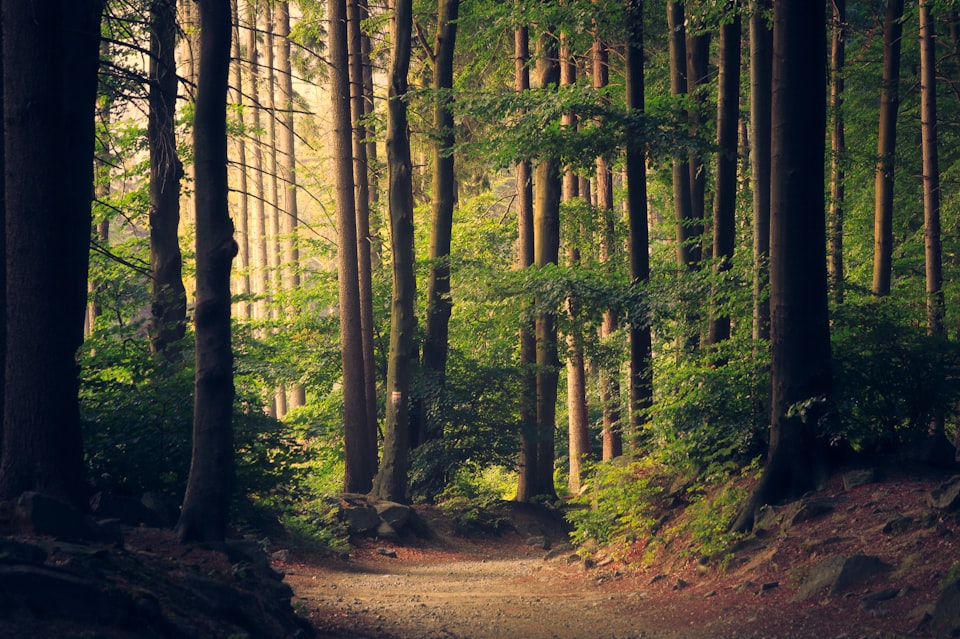
Even a modest loop past hedges or shopfronts widens what your eyes track after hours of rectangles. The photograph above is a reminder, not a prescription: your route might be quayside bricks, estate footpaths, or a shared garden gate.
Carry keys and a layer you can remove indoors so the transition stays practical in Atlantic weather. When you return, hang outerwear where it will dry without draping over the work chair.
Movement & space ideas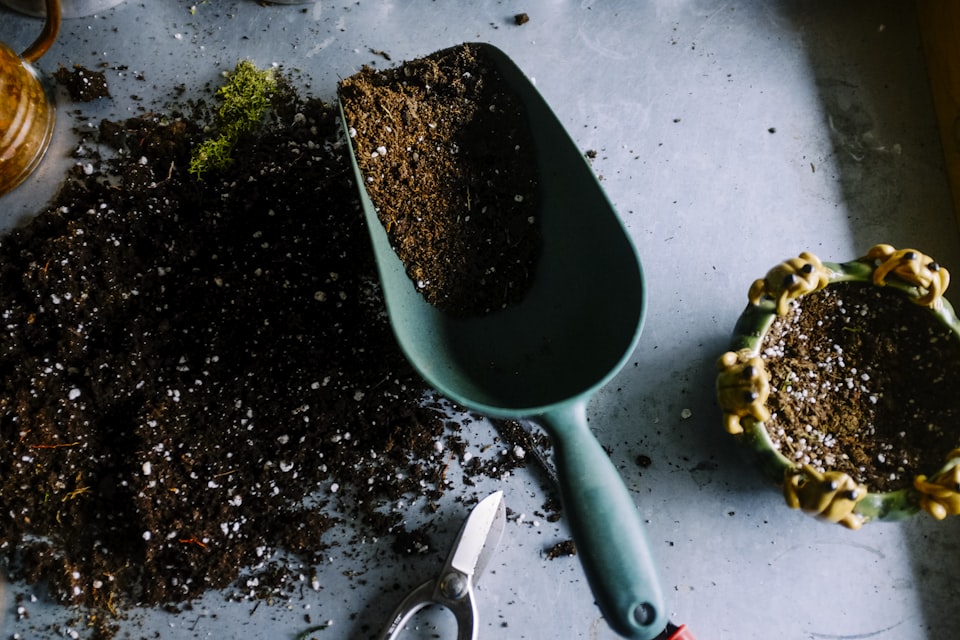
Reserve one seat, shelf, or windowsill for books, crafts, or quiet audio—objects that never appear on a slide deck. The visual contrast helps attention notice when the paid portion of the day is parked.
Keep the setup humble: a lamp you only switch on after logging off, a blanket folded ready, a mug that never visits the desk. Small props repeat the story better than occasional room makeovers.
Restful evening cuesStraight answers about scope, timing, and how we handle information.
Most people settle on five to twenty minutes. Length matters less than doing the same sequence most weekdays so your senses recognize the pattern.
Yes. You might silence notifications, walk without earbuds, then enjoy one curated playlist. Keep the order stable even if the tools change.
No. Everything here is general editorial information about routines and home organisation. It is not medical, psychological, or therapeutic advice. For health or wellbeing concerns, speak with an appropriate qualified professional in your country.
No. Articles are written for a general audience and may not fit your job, housing, or schedule. They do not replace advice from a qualified professional where you need it; see the site disclaimer in the footer.
No. We do not sell medicines, supplements, or health devices through this site, and we do not offer clinical services here.
If you subscribe, we process the address under the purposes listed in the privacy policy. You may withdraw consent by writing to our team.
Transparency for readers and for advertising platforms operating in Ireland.
Editorial information only. Forcefloraai.world is an independent editorial site based in Ireland. Pages describe optional habits around finishing paid work and organising home time. Content is general opinion and lifestyle information—not medical, psychological, nutritional, fitness, or legal advice, and not a substitute for a qualified professional when you need one.
No diagnosis or treatment. We do not use this site to diagnose, treat, cure, or prevent any disease or health condition, and we do not sell medicines, supplements, or remote clinical services.
Third-party advertising. Where permitted, we may show ads through networks such as Google Ads. Those services have their own policies. How data may be used for measurement or personalisation is described in our Privacy Policy and Cookie Policy; you can refuse non-essential cookies via our banner.